
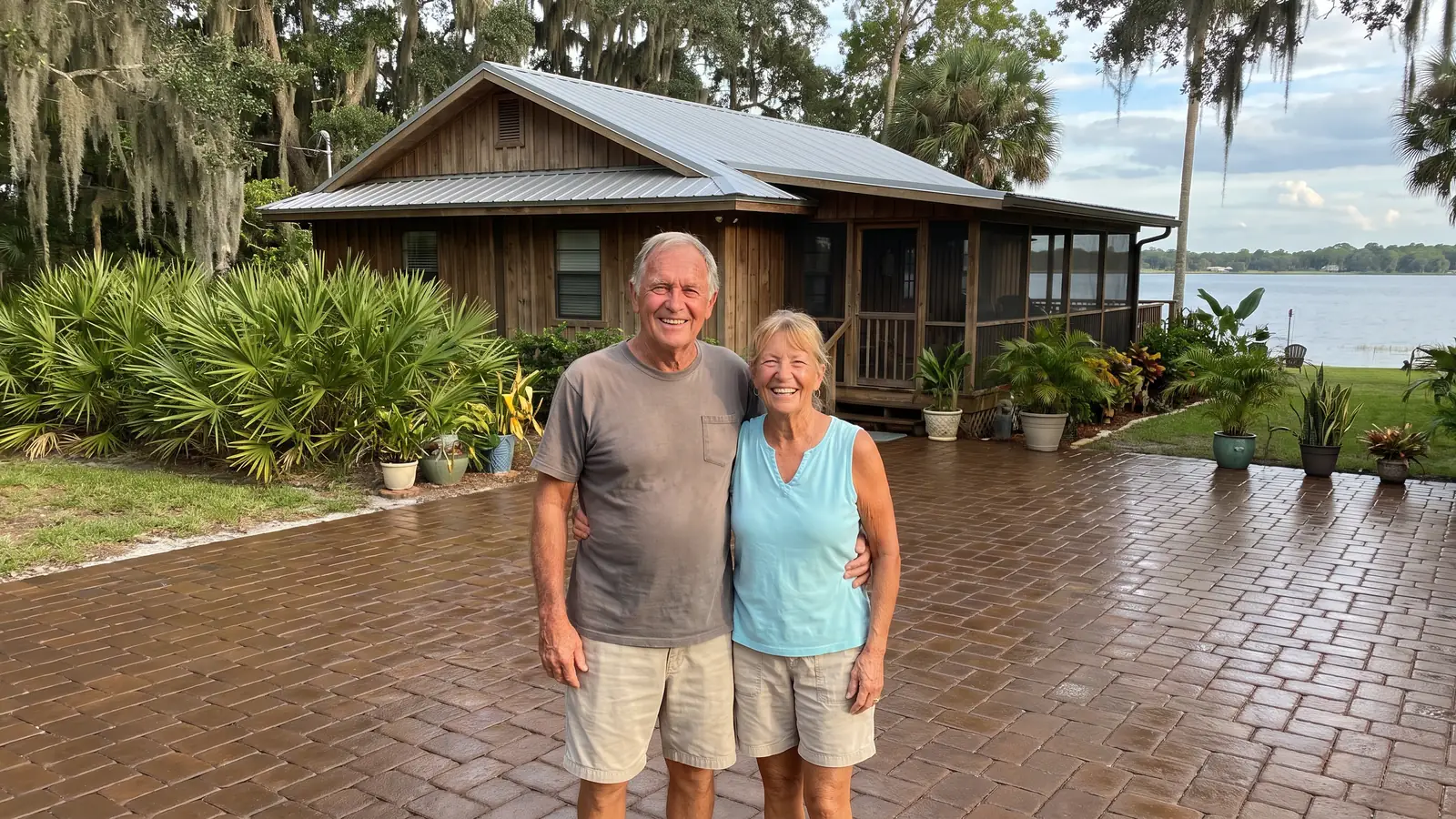
Paver sealing for St. Augustine homes
Paver Sealing in St. Augustine, FL
Flagler's 1888 hotel stands in old St. Augustine, so call (386) 977-8354 for a free paver sealing estimate.
- Brings out deeper paver color
- Fresh joint sand helps lock pavers in place
- Gives weeds less room to grow
- Makes the surface easier to keep clean
- Free estimate, no obligation
Request a Free Estimate
Free, no obligation.
Fast, careful paver sealing in St. Augustine
Paver sealing in St. Augustine starts with a free look at your courtyard, drive or pool deck, and a local contractor does the work from there. The job covers a wash, new joint sand and the sealer coat. After you ask for a free estimate, you should hear back inside 1 business day, and often well before that.
Picture a courtyard where orange lines fan out from the sprinkler, green film creeps along the joints and the color looks tired. After a wash, new sand and a fresh coat, that same patio reads as one even tone again. If you would like to describe your own pavers first, call (386) 977-8354.
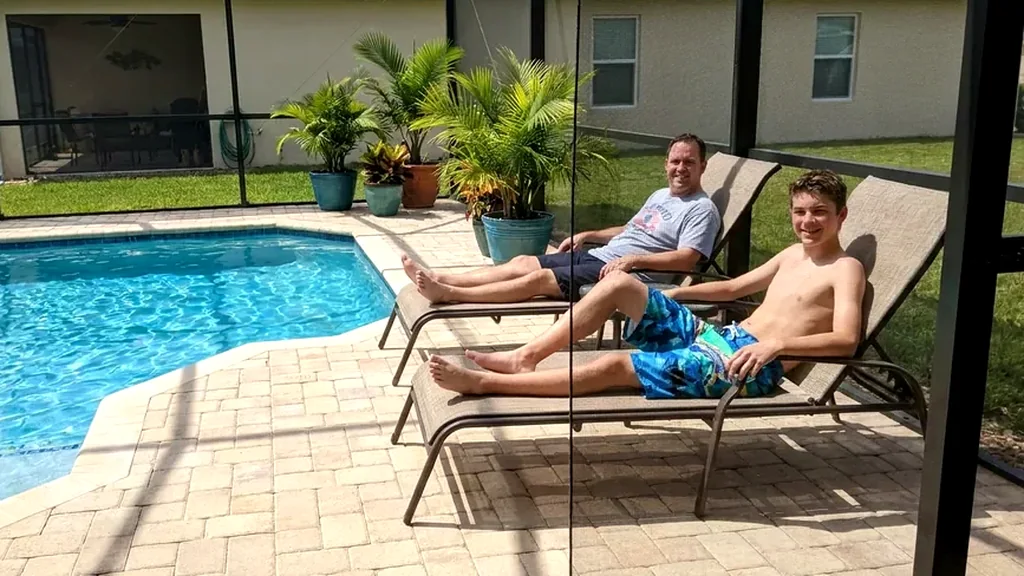
Why hire a local paver sealing contractor in St. Augustine?
Salt air, summer cloudbursts and irrigation water all work on St. Augustine pavers at once, which is why people here lean on a contractor who knows the area. To hear how that fits your yard, ask for a free estimate.
Courtyard-minded care
A local contractor looks at your St. Augustine yard for free, with its walls, beds and sprinklers, then names a price.
A yardstick for bids
Across Northeast Florida, published prices sit near $1.75 to $3.25 a square foot, wash through sealer. Check any bid against that.
Choosing a sheen
Matte keeps a courtyard quiet beside old stone and stucco. A wet look adds depth but shows scuffs sooner on a busy driveway.
The date is yours
The date, the finish and the final yes stay with you. Nothing about a St. Augustine estimate obliges you.
Get Your Free Estimate in St. Augustine
Tell us about your pavers in St. Augustine.
Free, no obligation
What paver problems show up most in St. Augustine?
Rust lines from sprinkler spray
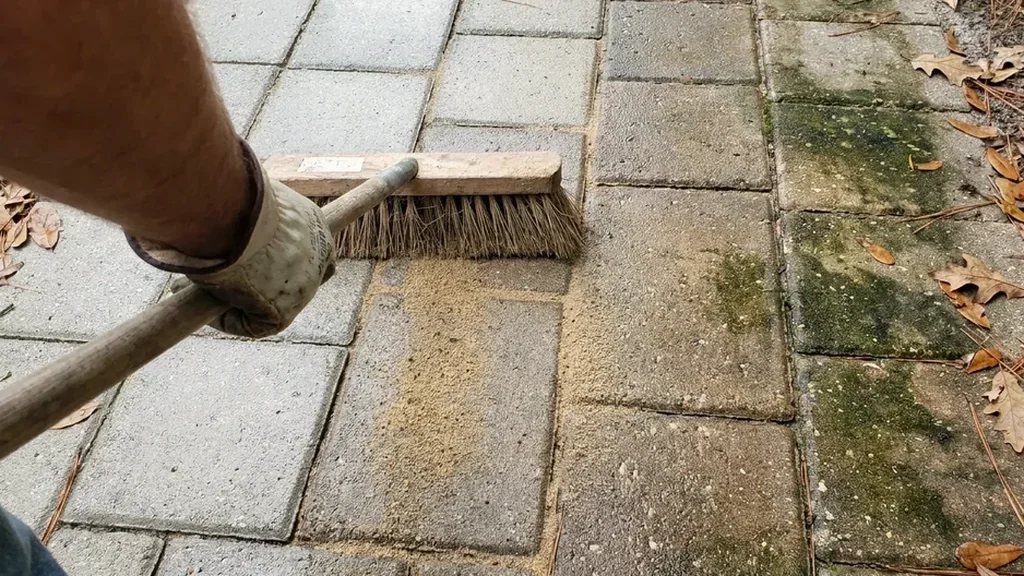
University of Florida extension says most Florida well water is high in iron, and orange stains often show up where that water is used for irrigation. Courtyards and garden paths in St. Augustine sit close to planting beds, so spray lands on pavers often. Those stains have to come off before sealing, because sealer would hold them in place. Turning the heads away from the stones keeps new marks from forming. If the lines have been there for years, say so at the estimate, since set-in rust takes more work than a fresh splash. Photos of the spray pattern help the contractor see where the heads reach.
Faded color in coastal air
One St. Augustine cleaning company says coastal air, moisture, tree cover and strong sun leave pavers faded and the joints weakened. The Matanzas River runs along the old city, and more than a fifth of the city's area is water. Wikipedia lists the climate as humid subtropical. A coat of sealer is one more layer standing between those conditions and the stone. Whether your home faces the river or sits a few blocks back, the air that reaches your pavers carries moisture. That is one reason the finish and the date of the next coat are worth a conversation.
Summer cloudbursts that empty the joints
Wikipedia notes that daily thundershowers are typical here in summer, and the hot, wet season lasts from May through October. Hard rain carries sand out of the joints, and an open joint invites weeds and ants. A drive that looked full in April can look gappy by September. Sand is refilled ahead of any sealer.
Shell stone beside the pavers
Old St. Augustine was built from coquina, a rock made of shell that the Spanish quarried on Anastasia Island for the Castillo, the city gates and many colonial homes. If a wall or garden edge near your pavers is coquina, rinse water and cleaners need care. The company above also seals shellstone and travertine. Tell the contractor what stands next to your stones. Wikipedia notes that the Castillo's walls are soft enough that cannonballs sank into them instead of shattering the stone. A garden wall cut from the same rock can be just as easy to mark with the wrong cleaner.
Rental turnover and guest-facing patios
The same company pitches its work for everyday living and for rental turnover, and it calls patios, pool areas and drives guest-facing spaces. That is its own marketing, not a measured fact. Still, a vacation rental or a home that sees visitors needs paving that looks kept between stays. Mention any booking calendar so the work can fit between guests. If your home hosts guests, share the booking calendar so a visit can fall between stays. A drive that looks tired at check-in is the kind of detail visitors notice first.
Can pavers inside the old city grid be sealed like any others?
Yes, the work is the same wash, sand and seal, but the setting changes how the contractor handles it. Downtown blocks near the Castillo de San Marcos, the Lightner Museum and Flagler College are tight, with walls close to the paving. Lincolnville, started by freedmen after the Civil War, sits on the southwest peninsula of the old city. When you ask for a free estimate, say if your home is downtown, in Lincolnville or farther out.
A St. Augustine company that serves the area lists Lincolnville, Davis Shores, North City, Vilano Beach and Anastasia Island among its neighborhoods. That spread shows how different the yards are from one end of town to the other. A courtyard near the old hotels has little in common with a drive in a newer subdivision. Call (386) 977-8354 and describe yours.
Lincolnville's historic district holds 548 buildings counted as contributing, and it was listed on the National Register in 1991. Rules for a historic block can differ from lot to lot, so ask the city if you are unsure whether yours applies. The contractor cannot decide that for you. Once you know, ask for a free estimate and share what you learned.
What does paver sealing cost in St. Augustine?
Across Northeast Florida, companies commonly publish $1.75 to $3.25 for each square foot cleaned, sanded and sealed. The low end suits a sound surface with light dirt. A courtyard with rust lines, green film and an old coat that has to come off sits higher. Ask for the total square footage in writing, then ask for a free estimate to get a number for your own yard.
A Jacksonville cost guide notes that small jobs generally cost more per square foot, because prep time does not shrink with the area. That can matter on a tight St. Augustine courtyard. Gear carried through a gate by hand also takes longer than a truck pulled up to a drive. Once you call (386) 977-8354, the contractor can say which of these fit your lot.
| Paved area | Typical example | Clean, sand and seal |
|---|---|---|
| 300 sq ft | Small patio or walkway | $525 to $975 |
| 600 sq ft | Two car driveway | $1,050 to $1,950 |
| 1,000 sq ft | Large driveway or pool deck | $1,750 to $3,250 |
| 1,500 sq ft | Driveway plus pool deck | $2,625 to $4,875 |
Math based on the $1.75 to $3.25 per square foot that Northeast Florida paver companies publish. Your contractor sets the actual price after seeing the surface. Repairs, leveling and stripping failed sealer are usually extra.
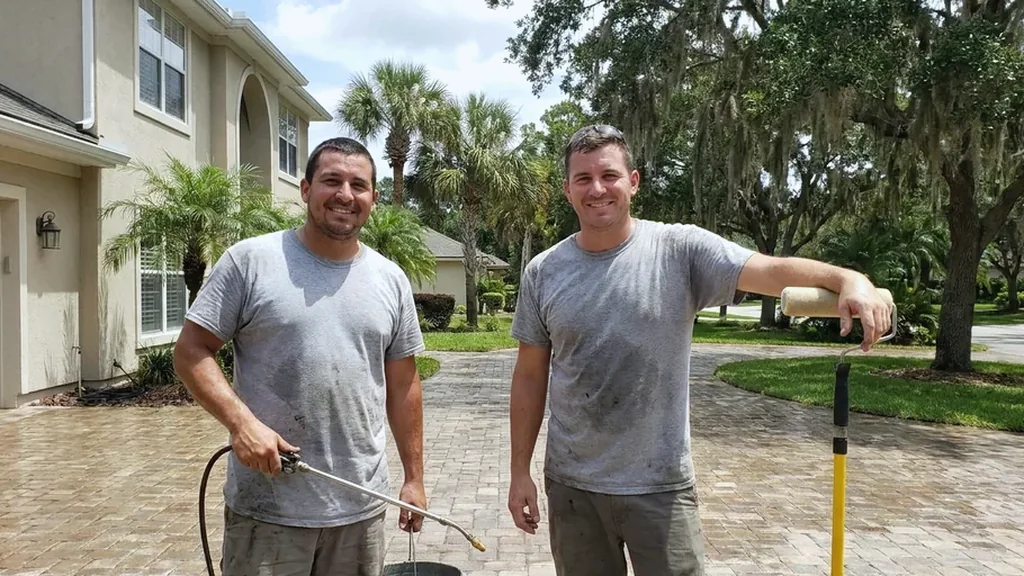
How does a paver sealing job work in St. Augustine?
Walk the courtyard and the drive
A first visit starts with a look at where rain runs, where oaks and walls cast shade, and what stands beside the pavers. The contractor notes planting beds, sprinkler heads and any coquina or stucco. Low or rocking stones are marked for a reset. You can point out the corner that bothers you most. Mention any gate, narrow lane or hand-carry access, since downtown lots can be tight. Gear carried through a courtyard door takes longer than a truck on a drive.
Wash off film, grime and rust
The wash comes next. Film, dirt and tire marks lift off, and rust lines from irrigation get their own treatment, since sealer would hold them in place. Near shell-stone walls, rinse water is kept gentle so the wall is not stained or worn. Older courtyards often have several of those edges to protect.
Joints get refilled
With the surface clean, fresh sand goes into the joints. Summer thundershowers can empty a joint fast, so full joints matter here. Landscape Ontario adds that cleaning and sealing together discourage ants and weeds. Sweeping comes last, so loose grains do not end up under the coat. On a long drive, this step can take longer than the wash itself. Ask what sand the contractor uses and where it comes from.
Pick a day with dry hours ahead
Dry hours decide the day. Sealer needs a dry surface, and St. Augustine often goes weeks without rain from November through April, while summer brings daily thundershowers. Shaded courtyards hold damp longer than sunny drives. A careful contractor moves the date and tells you early. A shaded north courtyard can need an extra day. Tell the contractor if a bed or fountain keeps one corner wet.
Apply the finish you chose
The coat is usually sprayed and then back-rolled into the joints. A wet look shows scuffs sooner than matte, so think about tires and patio chairs. The span between coats that companies quote is two to five years. Ask when feet and cars may return to the surface.
Complete paver services in St. Augustine
Four steps make up a St. Augustine job: wash, fresh sand, drying time and sealer, always in that order. The wash clears film, rust lines and tire marks, so none of it gets sealed in. Sand returns to the joints before the coat. To hear how long each step runs on your yard, call (386) 977-8354.
Courtyards, front walks, drives and pool decks do not wear alike. Pool decks collect splash and bare feet, drives collect tire marks, and garden paths collect spray from the beds beside them. When you ask for a free estimate, list the surfaces you want done. Adding a walkway to the drive may save a second visit.
Whatever is on the stones now sets the rules. A water-based sealer cannot be laid over a solvent-based coat, so the old product gets identified first. Then comes the look: matte for a courtyard beside old walls, wet look for deeper color. Call (386) 977-8354 to talk through which suits your home.
Timing in St. Augustine follows the sky. The dry season, November through April, offers long rainless stretches, while summer thundershowers can cancel a day on short notice. Expect the contractor to move the date rather than seal damp stones. For a day that fits your street, ask for a free estimate.
Questions to ask before you hire
- How many days between the wash and the sealing?
- How do you handle pavers near a lake or pond where the ground stays damp?
- How long should I keep cars and foot traffic off after sealing?
- Do you take a moisture reading before you seal, or only look at the surface?
- Will the quote tell me how many square feet you measured and what each foot costs?
- Do you fix pavers that have sunk or shifted before you seal?
- Will you cover my plants and shrubs before you start washing?
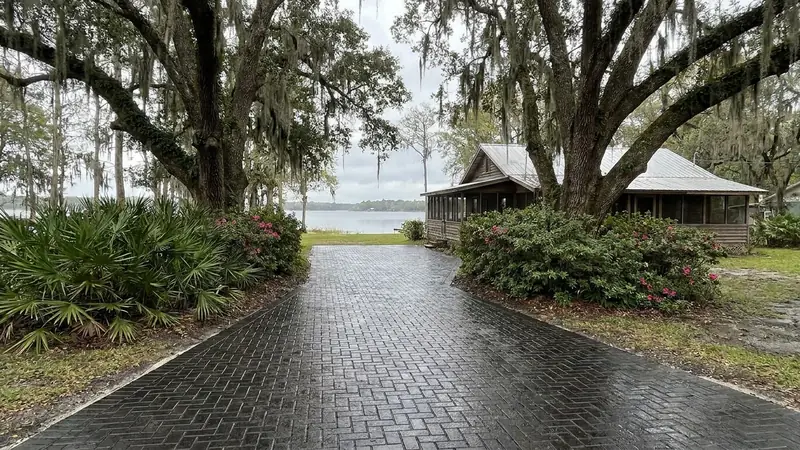
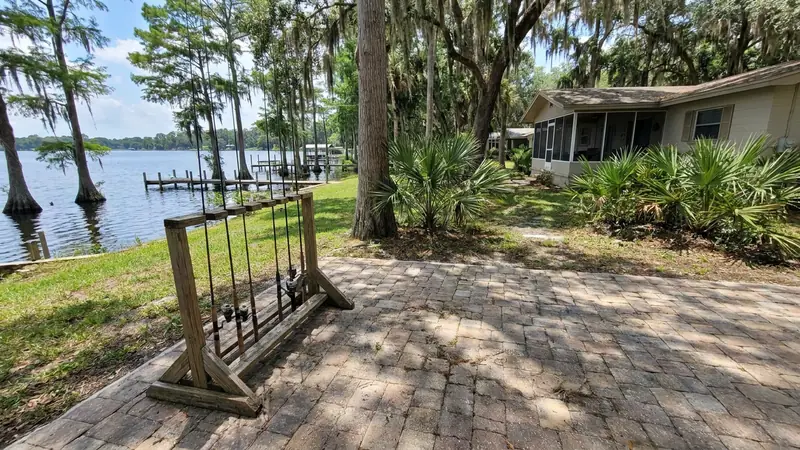
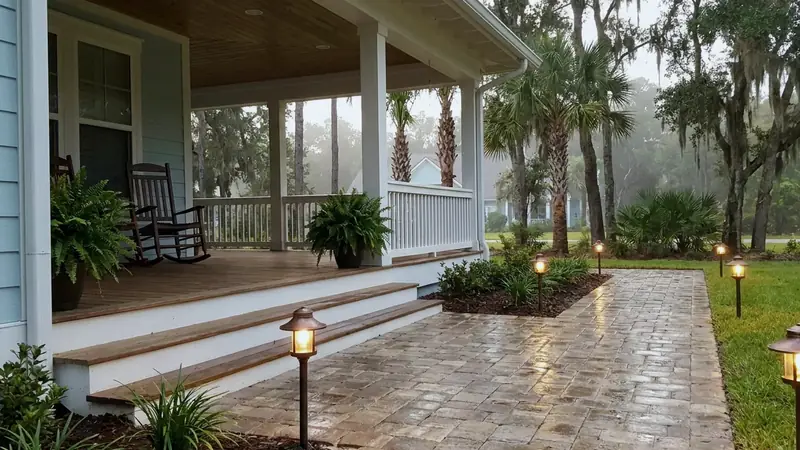
What do sealed pavers look like around St. Augustine?
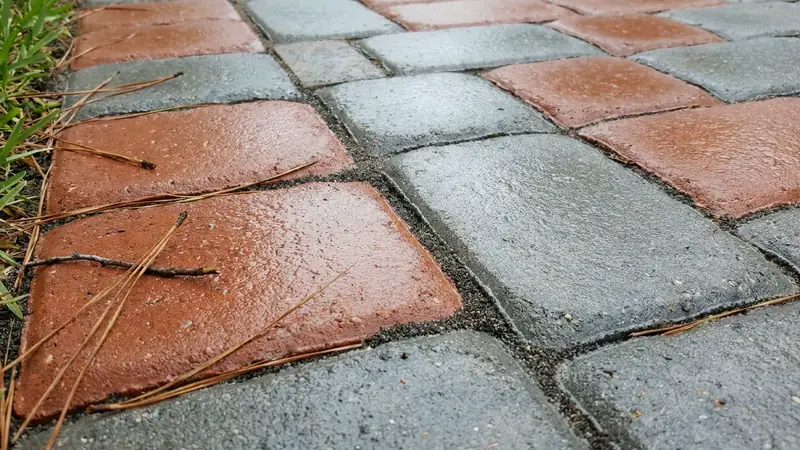
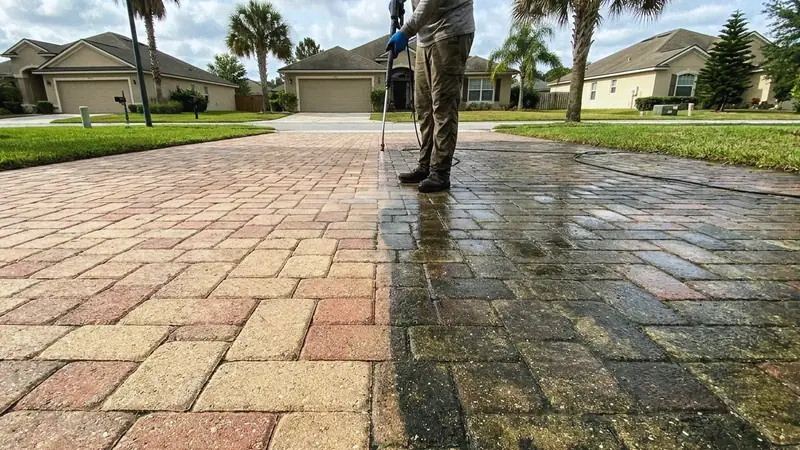
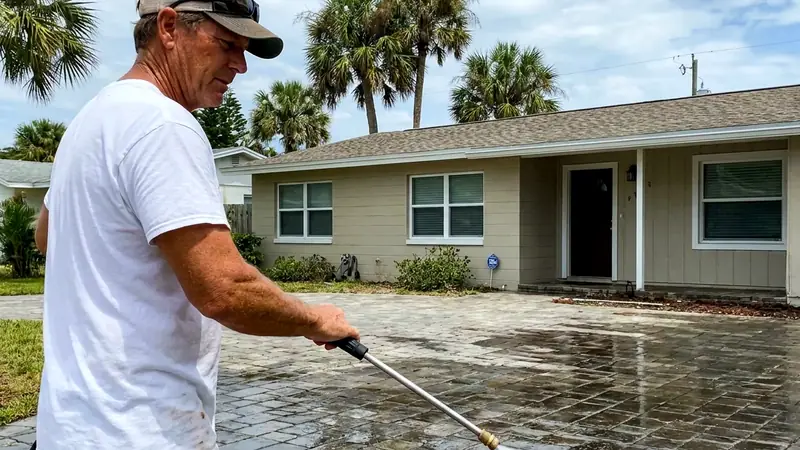
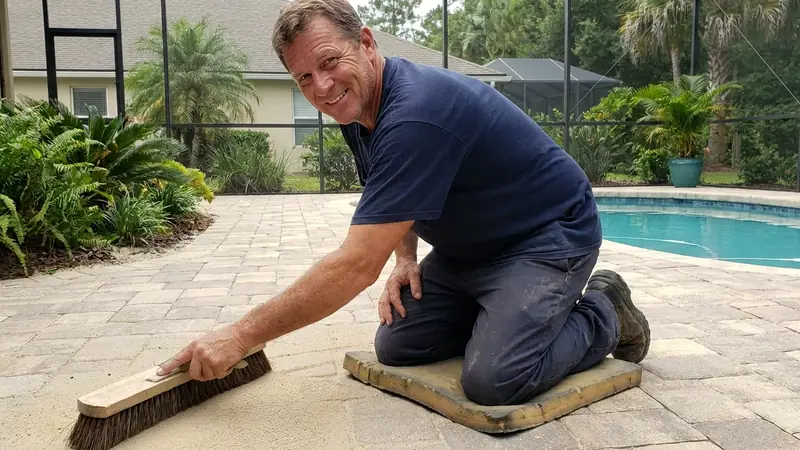
Why local matters in St. Augustine
A contractor who works St. Augustine regularly will ask what stands next to your pavers. Coquina, stucco and old brick take rinse water differently, and a cleaner that suits one can stain another. That question is a sign the person knows this kind of yard. To reach one in the St. Augustine area, call (386) 977-8354.
Local knowledge covers the weather too. The hot, wet season runs May through October and the dry one the rest of the year, so a good schedule leans on that. Someone from outside the area may book a summer week without planning for afternoon storms. Ask how a contractor would plan around them, and ask for a free estimate when you are ready.
Water is the third thing. Wikipedia puts more than a fifth of the city's area under water, so damp air and low ground are part of daily life here. Pavers on low ground can stay wet longer after a storm, which changes when sealer can go on. Ask for a look at the lowest corner of the yard, and ask for a free estimate to set a visit with no obligation.
Why does the Flagler-era part of St. Augustine matter for my pavers?
Much of the Gilded Age look people picture here comes from Henry Flagler's building boom. The Ponce de Leon Hotel opened in 1888 and later became the center of Flagler College's campus, and the Hotel Alcazar of 1887 became the Lightner Museum. Villa Zorayda, a Moorish Revival winter home, dates to 1883. If your house is a few blocks from any of them, ask for a free estimate and say so.
Older still is the Castillo de San Marcos, finished in 1695 from coquina quarried on Anastasia Island. The Bridge of Lions opened in 1927 and carries State Road A1A over the Matanzas River, and the steel bridge that replaced the original opened in 2010. Lincolnville grew up on the southwest peninsula after the Civil War. If you live near one of these places, call (386) 977-8354 and tell the contractor your street.
Frequently Asked Questions
In St. Augustine, how much does paver sealing cost per square foot?
Plan around $1.75 to $3.25 a square foot, the price Northeast Florida companies commonly publish for the wash, sand and seal. A St. Augustine courtyard with rust lines, green film and a failed coat lands near the top. A clean, sound surface lands near the bottom. Ask for the total area and each step in writing. A tight lot with a gate costs more per foot than a wide drive, so measure what the quote includes before you compare.
Around St. Augustine, is it good to seal pavers?
Yes, for most homes. Sealing discourages ants and weeds in the joints and brings out the surface color. The tradeoff is upkeep: expect a new coat every two to five years, and a wet look shows scuffs sooner than matte. Sealing also needs dry weather, so the date can shift.
In St. Augustine, can you pressure wash brick pavers?
Yes, and professionals wash them as the first stage of a sealing job. High pressure can pull joint sand out, which is why sand goes back before sealing. Near coquina or stucco walls the contractor eases the rinse water so neighboring stone is not harmed. Ask about that at the estimate.
Around St. Augustine, what is the average cost to seal pavers?
Published prices run $1.75 to $3.25 per square foot, cleaning through sealing. Small jobs tend to cost more per foot than big ones, and failed old sealer adds cost. A good quote lists the area and the steps, so you can set two bids side by side. Ask whether steps, edges and pool decks are in the area figure, since they are easy to miss.
Does the sealer have to match what is already on my pavers?
Often yes, because water-based sealer cannot go over solvent-based sealer. The old coat has to be identified first. If you do not know who sealed your St. Augustine pavers last, an old receipt or product name can settle it. A patchy or peeling coat is another clue. A coat that has gone cloudy or peeled is worth photographing before the estimate.
Does coquina or stucco beside my pavers change how they are cleaned?
Yes, it can. Coquina is a rock made of shell, and the Spanish used it for the Castillo, the old city gates and many colonial homes. Rinse water and cleaners near porous stone need care so the wall is not stained or worn. Tell the contractor what stands beside your pavers at the estimate.
How soon can I walk or park on newly sealed pavers?
Feet are usually fine within a few hours, a Jacksonville company says, and cars need longer. Ask your contractor for the exact wait, since product and weather change it. Plan to keep cars off the drive for a full day. Rain in the forecast can change that, so ask for a backup day.
Do I need approval to seal pavers on a historic St. Augustine block?
It depends on your address, and the contractor cannot answer it for you. Lincolnville and other historic areas have their own listings and rules, and the rules can differ from one block to the next. If you are unsure, ask the city before work starts, then pass along what you learn when you request your estimate.
Ready for a Free Estimate in St. Augustine?
Call (386) 977-8354 and tell us about your pavers.
Free, no obligation