
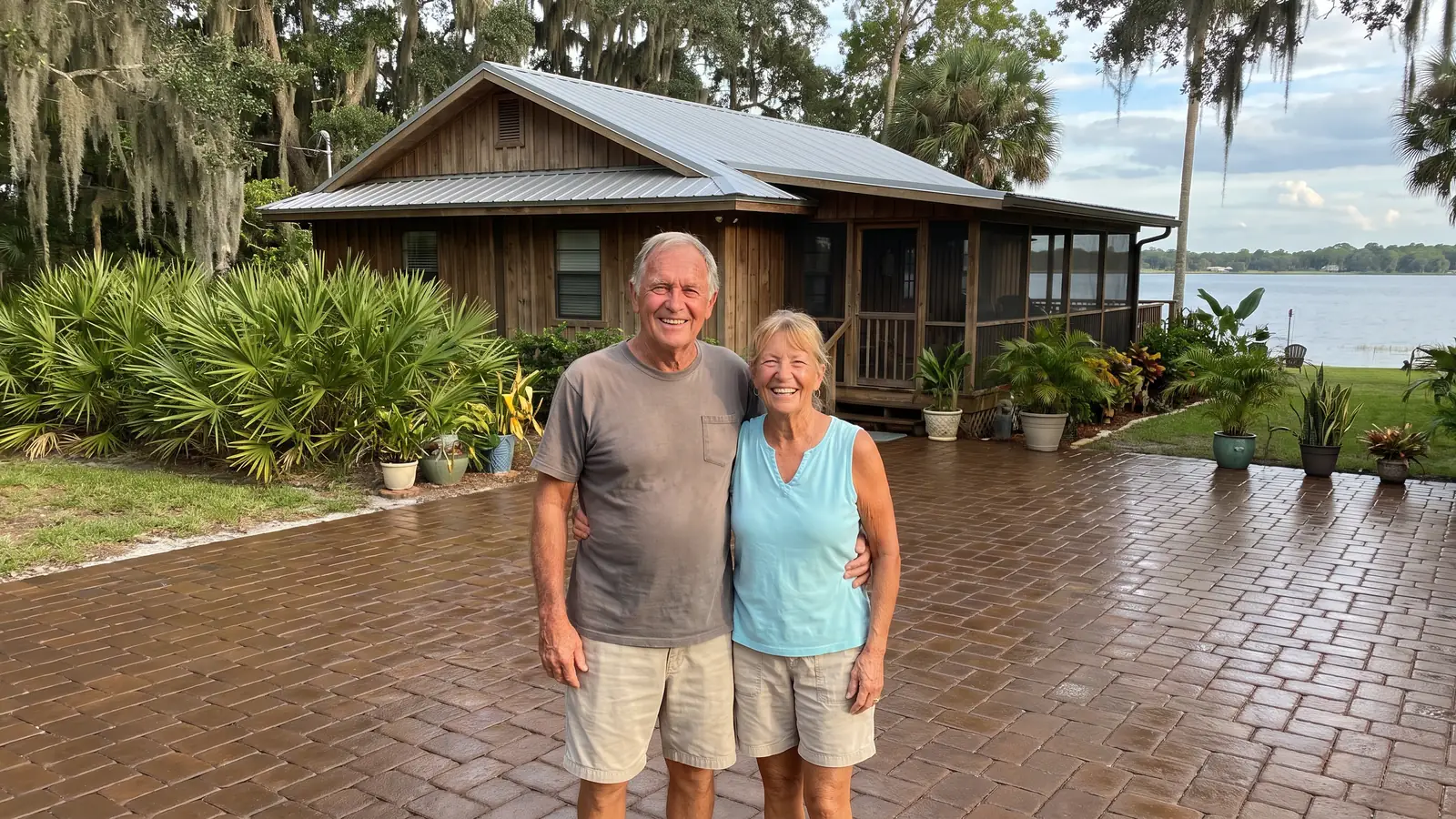
A patio that stays clean through cookouts
Patio Paver Sealing in Crescent City, FL
Call (386) 977-8354 for a free estimate on sealing your Crescent City patio pavers.
- Brings out deeper paver color
- Fresh joint sand helps lock pavers in place
- Gives weeds less room to grow
- Makes the surface easier to keep clean
- Free estimate, no obligation
Request a Free Estimate
Free, no obligation.
Where can I get my Crescent City patio sealed?
A local contractor seals patio pavers around Crescent City, FL, and replies within 1 business day, usually much sooner. The estimate is free, so you can look at the price first and choose later, with no pressure from anyone. To begin, call (386) 977-8354.
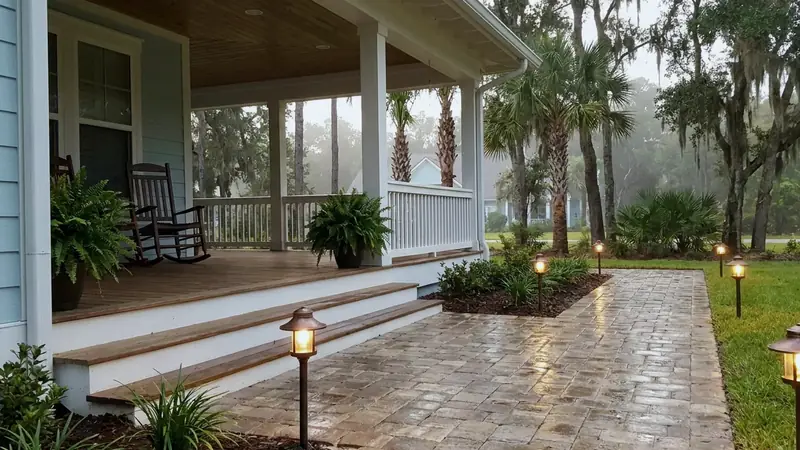
A patio is where the yard meets the household. Grills drip, planters leak, leaves collect and chairs scrape. A sealed patio takes that better and sweeps up faster, which means more weekends spent sitting and fewer spent scrubbing. The pavers also keep their color through a long, bright summer. Tell the contractor how you use the space when you ask for a free estimate.
Which Putnam County towns can book patio paver sealing?
- Palatka
- Palm Coast
- Ormond Beach
- Daytona Beach
- Holly Hill
- DeLand
- St. Augustine
- South Daytona
- World Golf Village
- Orange City
- Port Orange
- Silver Springs Shores
- DeBary
- Deltona
- Eustis
- Ocala
- Mount Dora
- Lady Lake
- New Smyrna Beach
- Nocatee
- Asbury Lake
- Fruit Cove
- Sanford
- The Villages
- Fleming Island
- Edgewater
- Lake Mary
- Middleburg
- Tavares
Why is sealing a good idea for a backyard patio?
Patios get constant light use, which is why they stain in small ways. Unilock lists color, stain and moisture resistance, resistance to UV fading and easier sweeping among the gains. It also says sealing tightens the top of the joint sand, so fewer seeds root. To weigh it for your patio, call (386) 977-8354.
The tradeoff is upkeep. Sealer wears out, and Unilock suggests reapplying every three to five years. A patio that is cleaned and resealed on that rhythm looks the same year after year. Ask about the schedule when you ask for a free estimate.
What stains do patios collect near Crescent City?
A patio sees more mixed stains than any other paved spot. To tell the contractor which you have, call (386) 977-8354.
Leaf and tannin marks
Western Interlock says leaf stains come from tannins and are worst in fall. Sweeping or blowing weekly keeps them from setting.
Grill grease
A dedicated oil and grease cleaner is the tool, per Unilock. Sealing afterward helps keep drips from soaking in.
Green film in the shade
Humid air feeds mold, mildew and algae, says a Southwest Florida cleaning company. Shaded patio corners show it first.
Orange sprinkler rust
A Northeast Florida washing company says iron in irrigation or well water leaves orange stains that need a rust treatment, not more pressure.
How does a patio near the lakes differ from one inland?
The air is damper and the ground holds water longer. Crescent City sits between Crescent Lake and Stella Lake, and Wikipedia counts roughly 104 days of rain in a year. A patio facing the water may not dry on the same schedule as one at the front of the house. Mention yours when you ask for a free estimate.
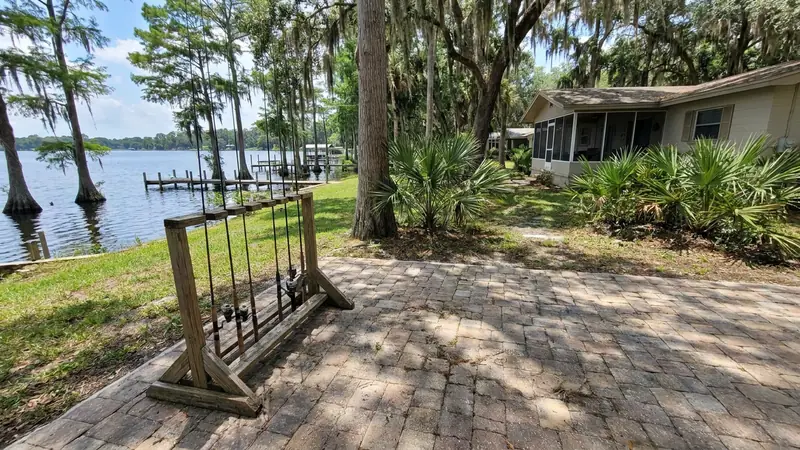
A paver patio by a dock or boat house also collects bait, sunscreen and fish scale mess. None of that is a sealing problem, but all of it is easier to rinse from a sealed surface. To plan around it, call (386) 977-8354.
When should I seal a Crescent City patio?
Pick a dry stretch. Unilock wants clear skies for 24 to 48 hours beforehand, up to 48 hours of dry weather after and temperatures from 50 to 90 degrees. A Northeast Florida washing company calls the fall a drier stretch. To place a date on the calendar, call (386) 977-8354.
What does patio paver sealing cost in Crescent City?
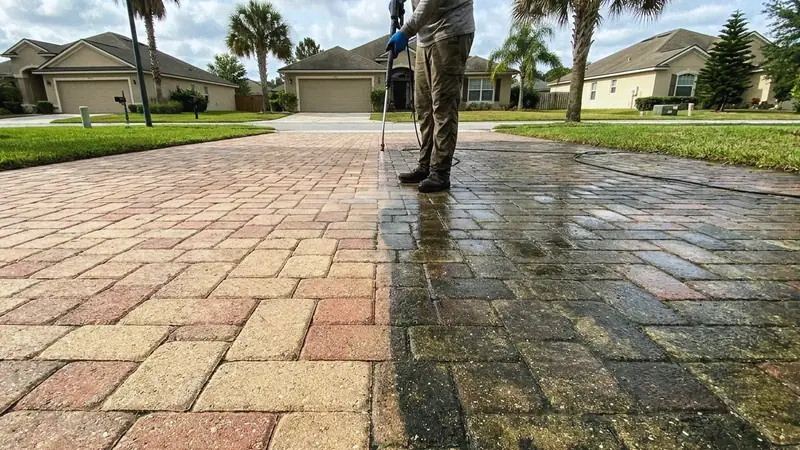
No page found prices patios alone, so the table uses the published whole-job range. One Northeast Florida washing company publishes a range of $1.75 to $3.25 per square foot to clean, sand and seal together. Bigger patios cost less per foot, and small ones cost more. To get your price, ask for a free estimate.
A quote that looks too low may leave out cleaning or sand. Ask what each line covers. To check a bid you have, call (386) 977-8354.
| Patio size | Example | Clean, sand and seal |
|---|---|---|
| 150 sq ft | Grill pad or side patio | $262 to $488 |
| 300 sq ft | Standard back patio | $525 to $975 |
| 500 sq ft | Large patio with seat wall | $875 to $1,625 |
| 800 sq ft | Patio plus walkway to the dock | $1,400 to $2,600 |
Figures multiply the $1.75 to $3.25 per square foot range from one Northeast Florida washing company. Extra stain treatment and stripping an old coat cost more.
How often should a patio be resealed?
Every two to five years, depending on sun and use. Unilock says three to five, and a Northeast Florida washing company says two to three when full sun and storms are hard on the coat. A shaded patio under oaks often lasts longer than one in open sun. For an honest read on yours, call (386) 977-8354.
The pour test works well here. Water that soaks in and darkens the paver, instead of beading, tells you the coat is thin, as Western Interlock notes. That check takes thirty seconds and costs nothing. To schedule the next look, ask for a free estimate.
Will sealer make my patio slippery?
Not if the finish is chosen well. Unilock says high-gloss sealers can be slippery when wet and that matte ones are safer. A patio with steps or a hot tub is a good match for matte. Wet look stays an option where nobody walks barefoot. Ask for a sample when you ask for a free estimate.
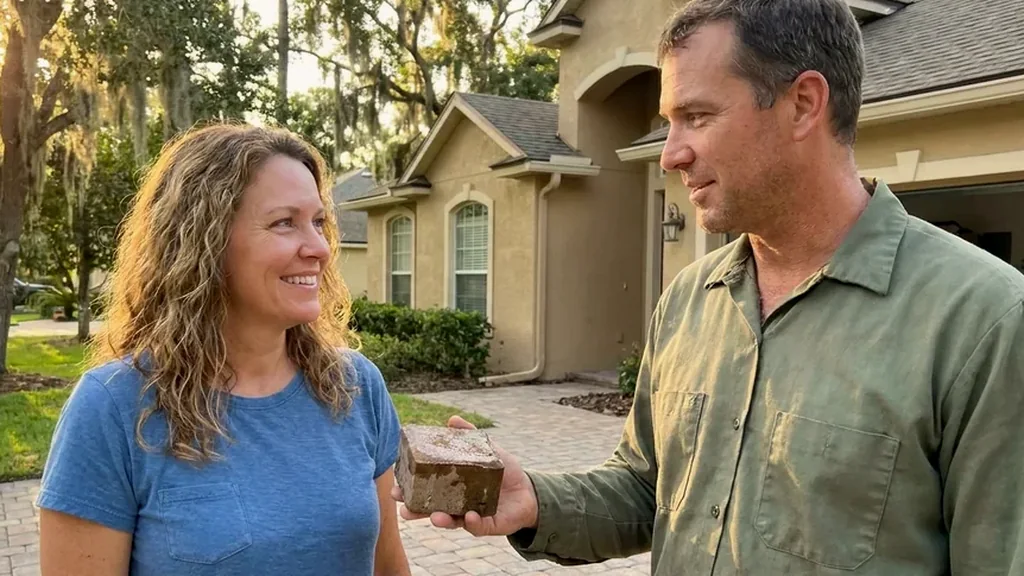
Do the seams on a patio need fresh sand before sealing?
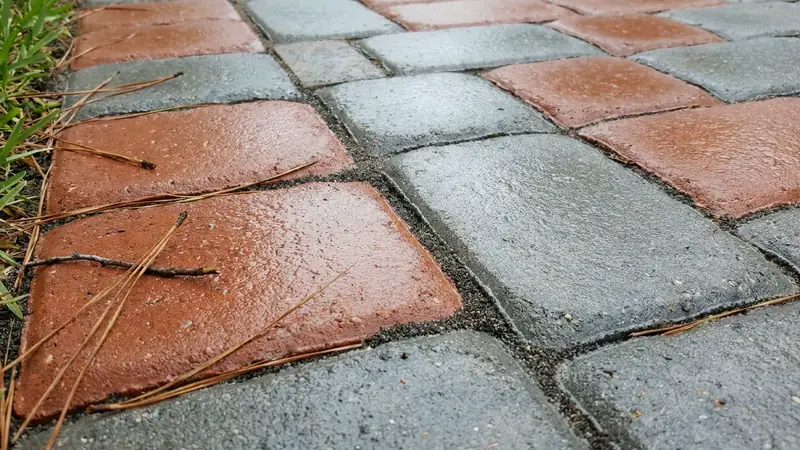
Usually they do. Hard pressure can pull sand out of the seams, and Landscape Ontario says it often has to be put back before any coat goes on. Unilock adds that sealing firms up the top of the joint sand, which leaves fewer places for weed seeds to root. Ask whether sand is included or priced as its own line when you ask for a free estimate.
Sand that is too fine leaves early. A Northeast Florida paver company says many installs used play sand, which afternoon storms and sprinklers wash away, and open gaps follow. If the edges of your patio look hollow, say so at the visit. To describe the seams you see, call (386) 977-8354.
Can new sealer go on top of an old coat on a patio?
Not always. Hydro Wash 360, a washing company, says new sealer cannot bond to a peeling, hazy or contaminated coat, and that partial strips often fail again within months. A Northeast Florida washing company agrees that failed sealer is stripped first and not coated over. Unilock recommends a compatibility test between the old product and the new one. Receipts or product names from the last job help, so dig them out before you ask for a free estimate.
A patio with a clean, even old coat is a different case from one that flakes near the grill. The contractor can tell by looking and by a small test. To book that look, call (386) 977-8354.
How does shade from oaks change patio care?
Shade keeps pavers damp, and damp pavers grow things. A Southwest Florida cleaning company says humid air feeds mold, mildew and algae, so the corners under a canopy tend to show green first. Wet oak leaves leave tannin marks that Western Interlock says are worst in fall. With roughly 50 inches of rain in a year, Crescent City gives that shade plenty to work with.
Sealing slows the growth and makes it easier to rinse off, though a shaded patio still wants a yearly rinse. Sweeping leaves weekly, as Western Interlock suggests, keeps stains from setting. Tell the contractor which corners stay dark when you ask for a free estimate.
Why do some sealed patios still turn green?
Sealer protects the surface, but it does not change the weather. A patio that stays wet under a tree or beside a downspout can grow a film even with a good coat. The film sits on top and rinses away more easily than it would from bare stone. Moving a planter or trimming a branch may do more than any product. To talk through your layout, call (386) 977-8354.
If the green comes back fast, ask whether water is standing somewhere. A paver maker says sealing does not fix drainage, and a low spot that holds a puddle keeps feeding the growth. Point out any such spot when you ask for a free estimate.
What should I ask a contractor before a patio is sealed?
Six short questions settle most of it. Which finish goes on the seating area, and is it matte or wet look? Is joint sand part of the price? How long must the pavers stay dry afterward? Will an old coat have to come off? What happens to the date if rain moves in? And where will furniture wait in the meantime?
Write the answers on the estimate so the day goes the way you expect. The visit is free and nothing obliges you to hire. To start the list, ask for a free estimate.
What is the patio sealing process on visit day?
The visit runs in a set order, and the table of steps below shows it. To see how it would fit your patio, call (386) 977-8354.
1. Clear and inspect
Furniture is moved, the surface is checked and the joints are noted.
2. Wash and treat
A surface cleaner works the patio, and stains get the cleaner made for them.
3. Dry
A few hours in sun, or about a day in shade.
4. Refill joints
Fresh sand goes in and is packed down.
5. Coat
A sprayer lays the sealer and a roller smooths it.
6. Cure
Up to 48 hours of dry weather per Unilock, with sprinklers off.
How do I look after a sealed patio between visits?
A few small habits go a long way. Western Interlock, a paver maker, says to sweep leaves weekly and check the joint sand monthly. Unilock says a sealed surface is easier to sweep and wash, so a hose and a soft broom handle most of it. Leaves swept off before they soak keep tannin from setting into the stone.
Check the seams after a hard rain, because storms are what pull sand out. When a gap opens, a handful of fresh sand now is cheaper than resetting loose pavers later. Water that soaks in and darkens the stone tells you the coat is thinning. Write down the day of the last coat, so the next look comes on time.
If you are not sure what you are seeing, a quick call helps. Describe the patio and any marks to (386) 977-8354, or ask for a free estimate and a contractor can look at it in person.
Can sealer fix a patio that dips or wobbles?
No. A paver maker says sealer does nothing for drainage or a weak base. A patio that holds a puddle by the door needs the pavers reset, and sand only stays in once they sit level. Ask whether leveling shows up as a separate line when you ask for a free estimate.
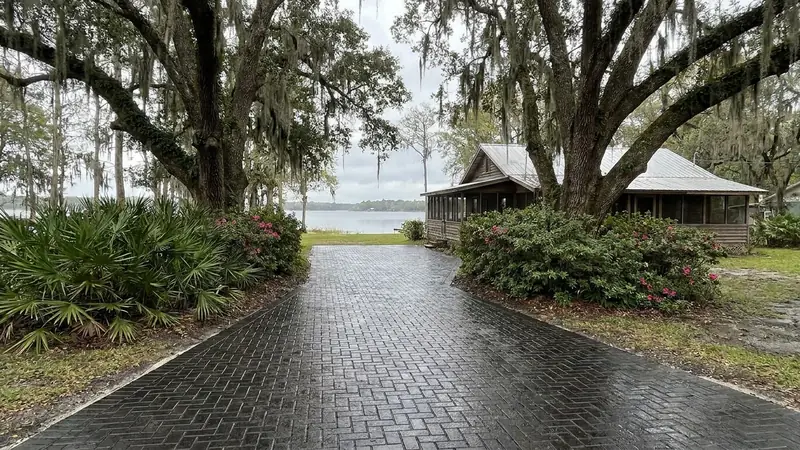
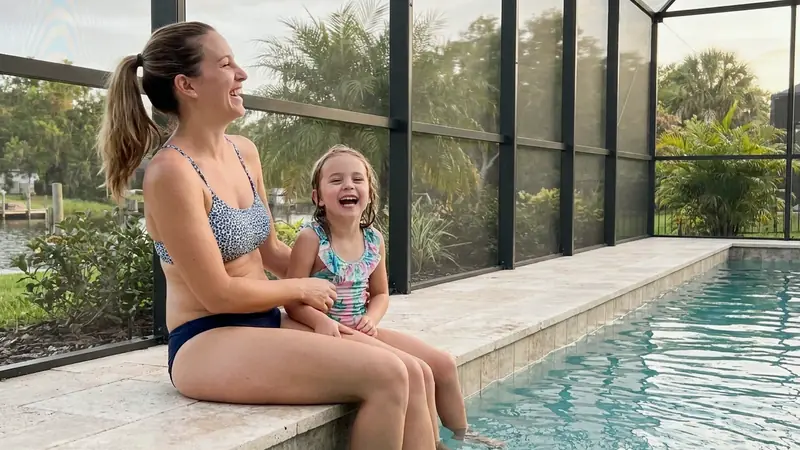
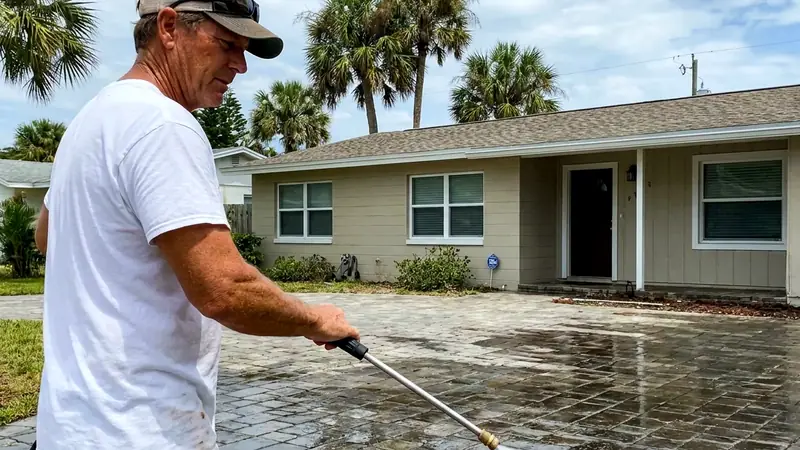
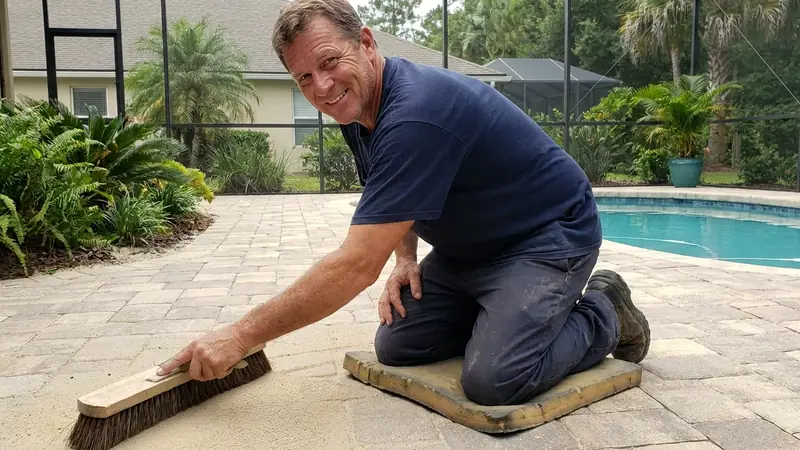
Which Crescent City patios have been sealed?
Frequently Asked Questions About Patio Paver Sealing
Is it good to seal pavers in Florida?
On a patio the answer leans yes. Meals, planters and furniture leave marks, and Unilock says sealed patios are easier to sweep and wash. Sun and humidity do the rest of the damage. A reseal every few years keeps up.
How much does it cost to have pavers cleaned and sealed?
A Northeast Florida washing company lists $1.75 to $3.25 per square foot for the full clean, sand and seal. A 350 square foot patio comes to about $613 to $1,138. Small areas can cost more per foot.
How long does paver sealer last in Florida?
Two to five years on a patio. A Northeast Florida washing company says two to three is typical, and a paver maker says three to five. Shade and light foot traffic stretch a coat. A sunny patio by a pool pulls it shorter.
How long do paver sealers last?
That depends on sun, use and prep. Sweeping leaves weekly and checking joint sand monthly are small habits Western Interlock says help. Once a splash of water darkens the stone instead of beading, the coat has worn through.
Will sealing keep grease and spills from staining a patio?
It helps. Sealer limits how deep oil, food and drinks soak in, so a spill lifts more easily. Unilock names a dedicated oil and grease cleaner for stains already there.
Does sealer make a patio slippery?
A glossy one can. Unilock warns that high gloss turns slippery when wet, and that matte is safer. Ask for matte or a penetrating product on steps and near a hot tub.
Should a patio by the water be sealed differently?
Not in product, but in timing. The ground stays damp, so the contractor waits for a dry surface. A Northeast Florida washing company says sealing over wet pavers is a common cause of failed jobs.
What about leaf stains from the oaks?
Sealing helps keep them from setting. A Northeast Florida washing company says live oak canopies leave brown stains and sealer helps stop them setting. Sweeping fallen leaves weekly, as Western Interlock suggests, does the rest.
Can furniture go back on a patio right after sealing?
Wait. A paver maker asks for up to 48 hours of dry weather as the coat cures. Chairs dragged across a soft finish leave marks. Confirm the exact wait with the contractor.
Other Paver Services in Crescent City
A patio often connects to a pool deck or walk. Pick the page that fits, or call (386) 977-8354.
Want your patio looking fresh again?
Call or send the short form. A contractor answers within 1 business day, often much sooner.
Free, no obligation