
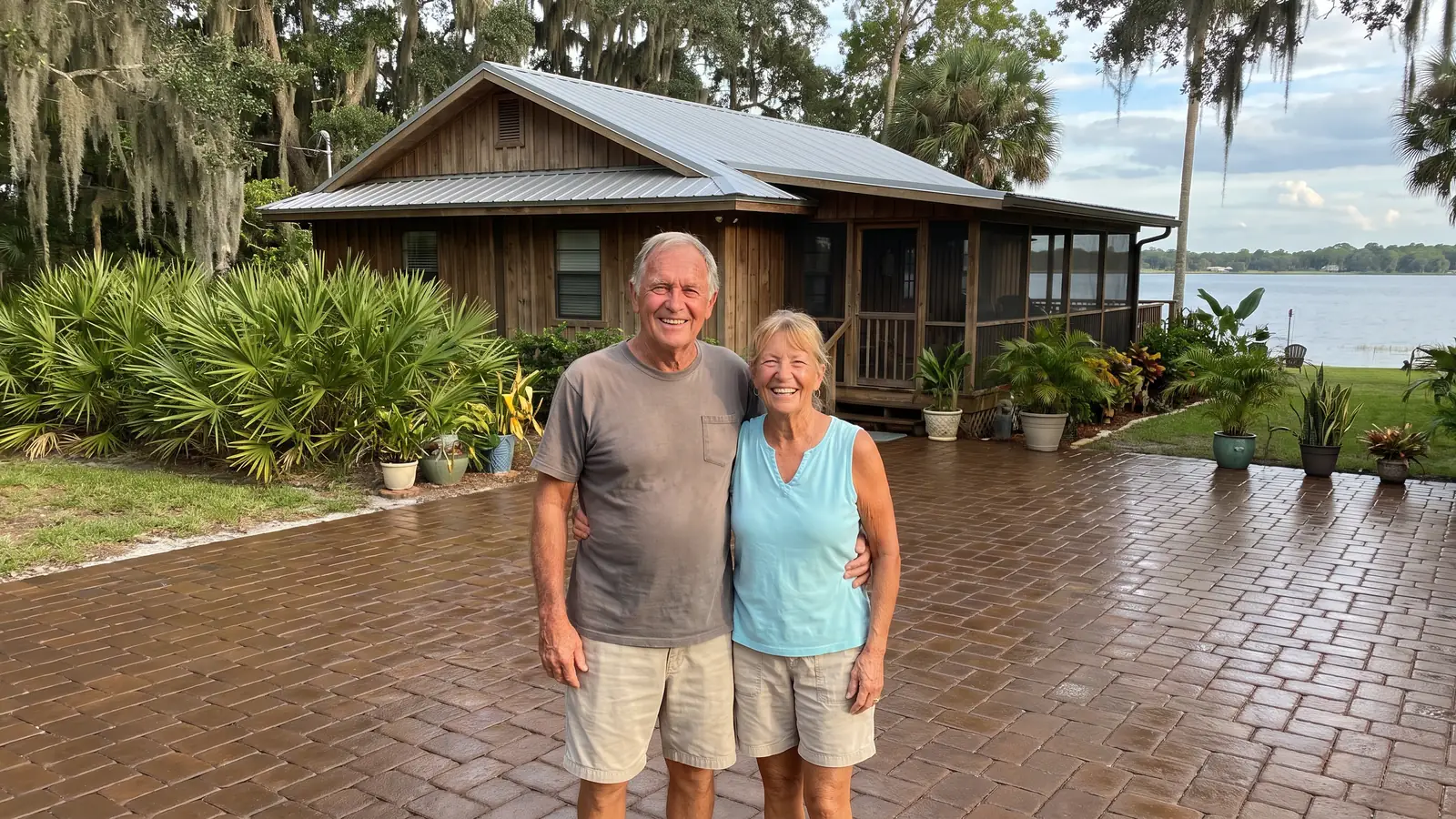
Paver sealing for Asbury Lake homes
Paver Sealing in Asbury Lake, FL
Asbury Lake sits on fast-draining sand beside Black Creek, so call (386) 977-8354 for a free paver sealing estimate.
- Brings out deeper paver color
- Fresh joint sand helps lock pavers in place
- Gives weeds less room to grow
- Makes the surface easier to keep clean
- Free estimate, no obligation
Request a Free Estimate
Free, no obligation.
Fast, careful paver sealing in Asbury Lake
Paver sealing is available in Asbury Lake, from the streets around the reservoir out toward Black Creek. A local contractor washes, re-sands and seals driveways, walkways and pool decks, and the first look is free. When you ask for a free estimate, you can expect an answer within 1 business day, usually much sooner.
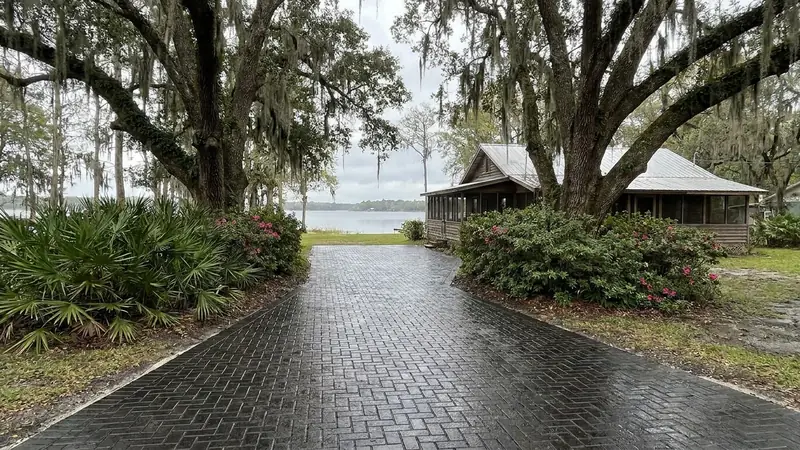
Imagine a long driveway where sand has washed out of the joints and a gray-green film has crept in under the trees. A wash, new sand and a fresh coat bring it back to one steady color. If your drive is long, a small fix repeats across a big surface. To describe your pavers to someone who works this area, call (386) 977-8354.
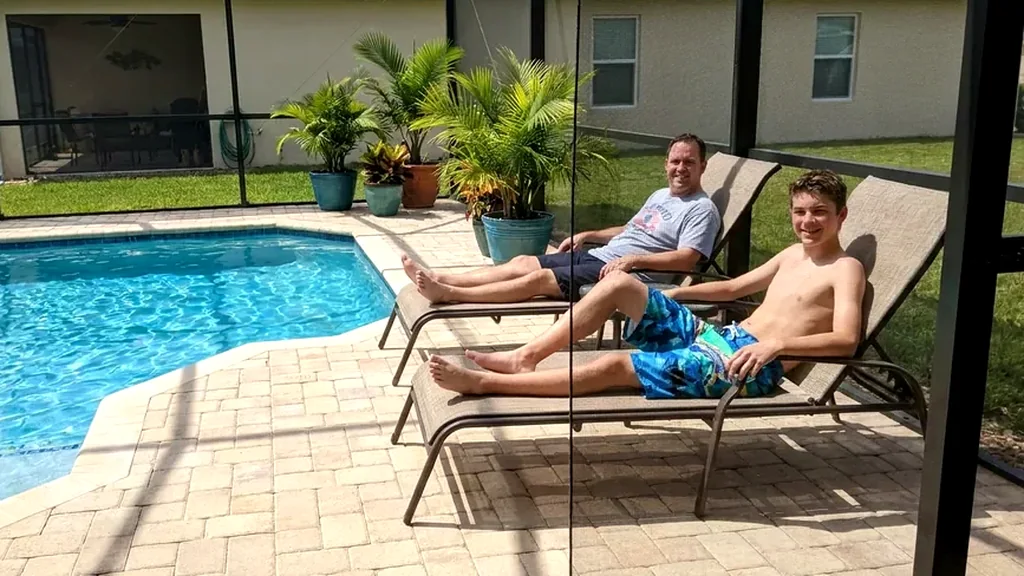
Why hire a local paver sealing contractor in Asbury Lake?
Asbury Lake sits on sand that drains fast, with a lake and a creek close by, and that mix changes how a paver job should go. To hear how a local contractor plans for it, ask for a free estimate.
Start with a free visit
Someone walks your Asbury Lake driveway, walkway and patio at no charge, checks the joints and old coat, and gives you a price before you agree. Bring up low spots or stains.
Check the rate
Published prices in Northeast Florida run $1.75 to $3.25 per square foot for washing, new sand and sealer. That figure covers all three together.
Pick your sheen
Matte looks natural and hides scuffs. A wet look deepens the color but shows wear sooner on a busy drive or near the pool.
No pressure
You choose the date and decide whether to go ahead. Few homes here report an HOA, so the choice is usually yours.
Get Your Free Estimate in Asbury Lake
Tell us about your pavers in Asbury Lake.
Free, no obligation
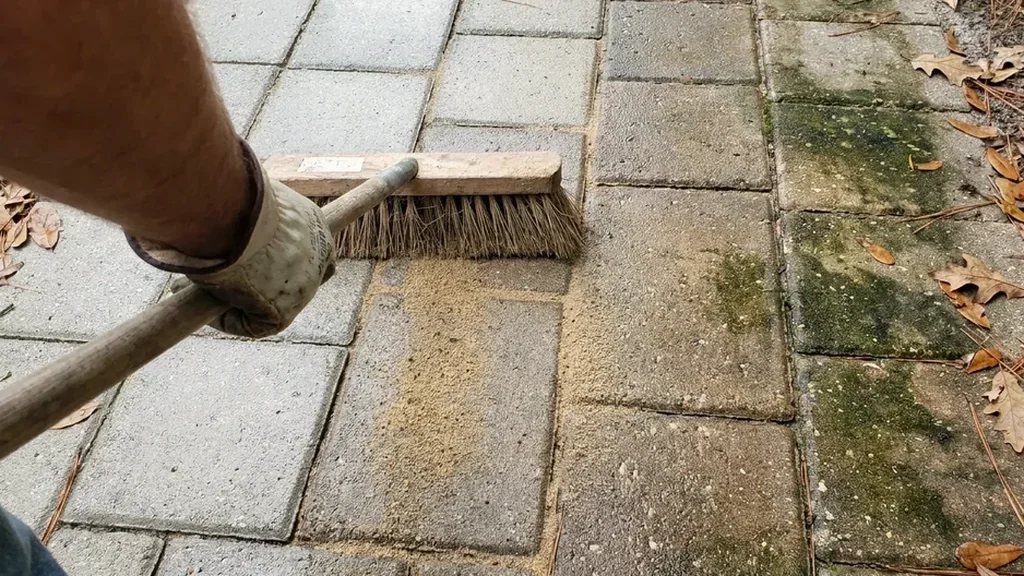
What paver problems show up most in Asbury Lake?
Sand that drains almost too well
USDA describes the Penney soil series, first mapped in Clay County, as excessively drained sand with rapid permeability. The Lakeland series is sand more than 80 inches deep. Water leaves that ground quickly, and it takes loose joint sand with it. Open joints let soil in and give weeds a place to root, so the joints are filled again before any coat goes on. A thick bed of sand also means the base under the pavers can shift if water runs along the edge, so low corners deserve a look. Long driveways on open lots show this wear most near the road, where tires turn in. The Penney series has its type location in Clay County, about 1.5 miles north of State Road 16. With 50 to 55 inches of rain a year, joints on sandy ground like this get tested every summer. The Lakeland series is similar, with sand more than 80 inches deep and no seasonal water table within 80 inches. In plain terms, rain does not sit under your driveway for long, which is good for the base and hard on loose joint sand.
Dark growth under mature landscaping
A paver company in Clay County says older landscaping, sprinklers and shade can grow a dark film that has to come off before a coat goes on. Many Asbury Lake lots have older trees, and homes here date from 1967 on. Moss and algae tend to show only where shade is heavy and the surface stays damp. A wash clears it, and a coat then helps slow its return. Leaves and pine needles that sit on the stones hold moisture too, and a quick sweep now and then slows the growth. The community grew from 2,228 people in 2000 to 11,036 in 2020, so some lots have young landscaping and others have trees that were here long before. Where trees overhang, leaves and needles trap moisture against the stones. Penney Farms, just south, grew up around a canning plant built in 1921, a reminder that this was farm country before the subdivisions arrived.
Orange marks from wells and sprinklers
Florida extension specialists note that most well water here is rich in iron and can stain what it touches. Orange streaks often appear where iron-rich water is used for irrigation. If your Asbury Lake yard runs sprinklers off a well, look for rust-colored lines on the pavers. Sealer would seal those stains in, so they are treated first. Turning sprinkler heads away from the stones is a small change that keeps new marks from forming. A quick look along the edge of the driveway shows whether orange lines are present, whatever the water source. Keep an eye on the corner of the driveway nearest the spray. Rust stains can also come from a leaking fitting or a metal planter, so the contractor looks for the source, not only the mark.
Play sand in older joints
Near the coast, one paver company says many installs used play sand, which afternoon storms and sprinklers wash away. Open gaps then collect dirt and weeds. With more than 50 inches of rain a year in the Penney soil range, joint sand takes a beating. Better sand and a coat on top help it stay. If your joints look half empty after a storm, that is the sign the sand was too fine or too thin to begin with. Homes here date from 1967 on, so you may have both older paver work and newer work on one street. Gaps beside curbs, steps and pool coping tend to open first, because water runs along those edges.
Damp edges near the lake and creek
The community surrounds a small reservoir, and Black Creek runs along its northern edge. Pavers near water can stay damp longer after rain. Shade plus damp is where green film starts. If your patio sits close to the shoreline, a contractor may want to check it again at the end of the wet season. Mention any spot where water pools after rain, because that corner will need extra drying time before sealing. Keeping gutters and downspouts clear of the patio edge also helps. Black Creek runs along the northern edge of the community, so ground on that side may stay wetter than the rest. The county's visitor guide mentions fishing, kayaking and canoeing on the lake, so many homes sit a short walk from the water.
Do older and newer parts of Asbury Lake need different care?
Yes, because homes here span many decades. A real estate profile counts homes built from 1967 on, with a median build year of 1978. Older drives may have seen several owners and several coats, while newer ones may never have been sealed. Tell the contractor roughly when your house went up when you ask for a free estimate.
Asbury Plantation, Asbury Creek, Glenwood Estates and Battery Bluff are named as nearby neighborhoods. Arthur Moore Drive, Lake Asbury Drive, Branscomb Road and Wesley Road hold the most homes. Lake Asbury Elementary and Lake Asbury Junior High serve the area, which hints at where many families live. Give your street name when you call (386) 977-8354, and the contractor can picture the lot.
Only about 3 of 26 homes in the same profile report an HOA, and no community development district fee applies. That usually means fewer rules about sheen and color, though you should still check your deed or any covenants. Once you know, ask for a free estimate and ask which finish suits your pavers.
What does paver sealing cost in Asbury Lake?
A fair price here follows the size of the job. The published range in Northeast Florida is $1.75 to $3.25 per square foot, and it covers the wash, new sand and sealer together. A long drive pushes the total up, and so does an old coat that has to come off. To get a number for your lot, ask for a free estimate.
Safe Touch prices a strip-and-reseal above its standard rate when an old coat has failed. Rust stains and low spots add time too. Call (386) 977-8354 to learn which of these may apply to your driveway.
| Paved area | Typical example | Clean, sand and seal |
|---|---|---|
| 300 sq ft | Small patio or walkway | $525 to $975 |
| 600 sq ft | Two car driveway | $1,050 to $1,950 |
| 1,000 sq ft | Large driveway or pool deck | $1,750 to $3,250 |
| 1,500 sq ft | Driveway plus pool deck | $2,625 to $4,875 |
Math based on the $1.75 to $3.25 per square foot that Northeast Florida paver companies publish. Your contractor sets the actual price after seeing the surface. Repairs, leveling and stripping failed sealer are usually extra.
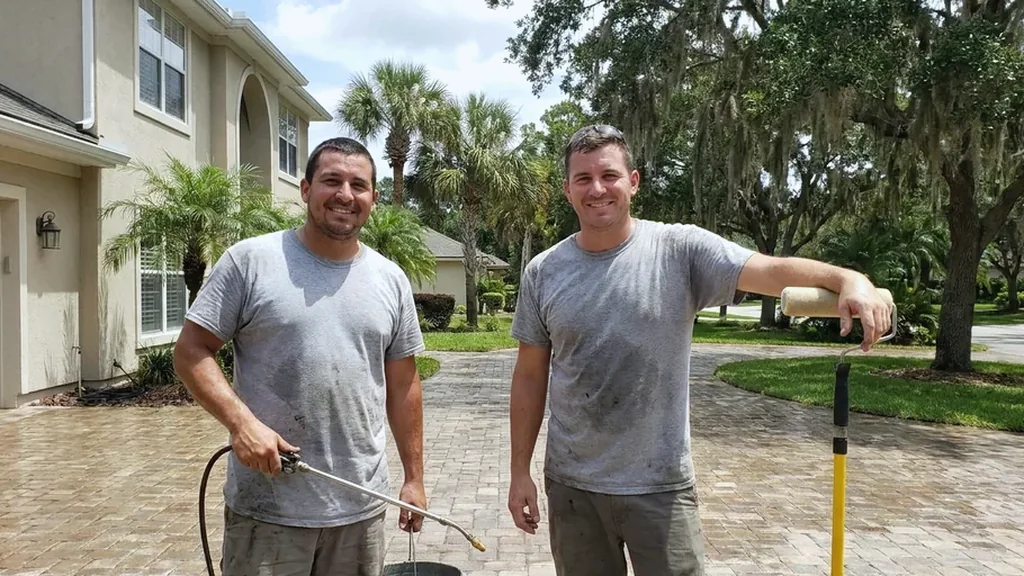
How does a paver sealing job work in Asbury Lake?
Before anyone starts
You walk the property with the crew and point out stains, low spots and places where water pools. They press on stones that rock and look for sunken corners. Anything that has settled is reset first, since sealer only freezes a dip in place. If a coat is already on, they test what it is. Take a minute to mention how the driveway drains after a storm.
Wash day
Next the surface is scrubbed free of green film, dark growth and orange marks from sprinklers. Pressure stays moderate so the joints stay intact. Plants get covered or rinsed clear, and runoff is kept away from the lakeside where possible. Gentle rinsing near the shoreline keeps soap and grit out of the water.
Fresh sand goes in
Once the stones are bare, new sand is swept into every joint and packed until the gaps are full. Asbury Lake ground is deep sand that drains fast, so tight joints matter here. Extra grains are swept off the top afterward. A fuller joint line also helps the stones lock together under tires.
A pause for dry stone
Then comes the wait. Sealer will not bond to damp stone, and a creek-side patio can stay wet long after a driveway dries. If clouds build, the job slips a day. Nobody should rush this step. On a cool, damp morning the schedule can shift to the afternoon. Creek-side patios can stay wet long after a driveway dries, so each area is judged on its own.
The coat goes on
The sealer is sprayed across the surface and rolled smooth. You pick matte or wet look ahead of time. Most owners can walk on the result in a few hours, but tires wait about a day. Write down the product name for next time, since quotes run two to five years per coat. Ask when you can walk on it and when the car can go back.
Complete paver services in Asbury Lake
A sealing day here has four parts. Stones are washed, joints are filled with fresh sand, the surface dries, and the coat goes on last. That order keeps dirt from getting sealed in under the finish. To get the timing for your driveway, you can ask for a free estimate.
Think about which surfaces you have. A long driveway sees tires and sun, a front walk may sit under trees, and a patio may sit beside the lake. Each one ages in its own way, so each gets its own price line. Call (386) 977-8354 and list what you want done.
Two choices shape the finish. The first is water-based or solvent-based, and an old coat usually settles that for you. The second is how much shine you like, from a plain matte look to a glossy wet look. To talk through both for your house, call (386) 977-8354.
Plan around the sky, because heavy rain comes May through October and November to April is mostly dry. Newly laid pavers need about 60 to 90 days before a first coat. If you want to pick a date, ask for a free estimate and mention how old your pavers are.
Questions to ask before you hire
- What happens to the weeds and moss in my paver joints before the sand goes in?
- How many days between the wash and the sealing?
- Do you put the sealer name and coat count in writing?
- Will you cover my plants and shrubs before you start washing?
- Do you take a moisture reading before you seal, or only look at the surface?
- What do you do if rain is expected on the day of the job?
- Who is on site the day of the job, and will they walk it with me at the end?
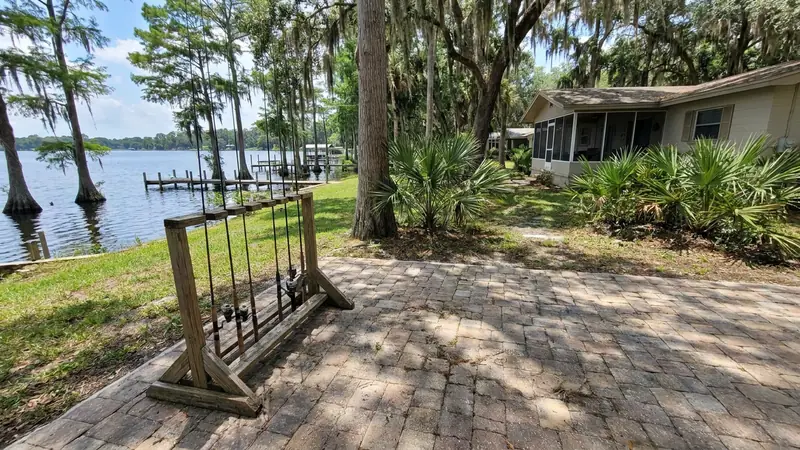
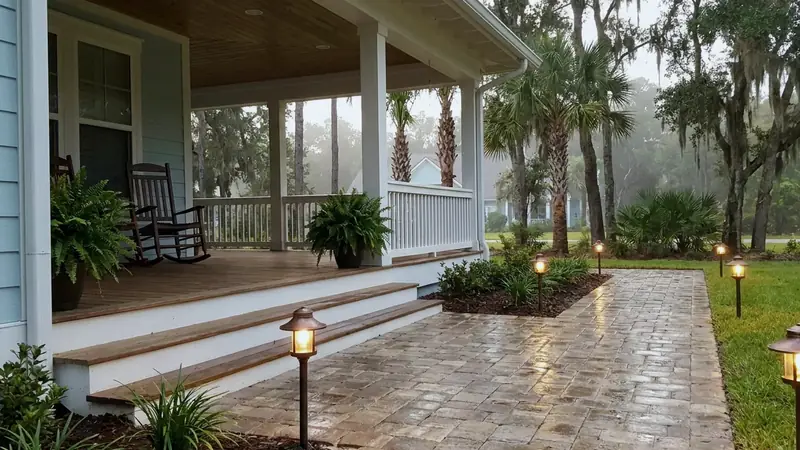
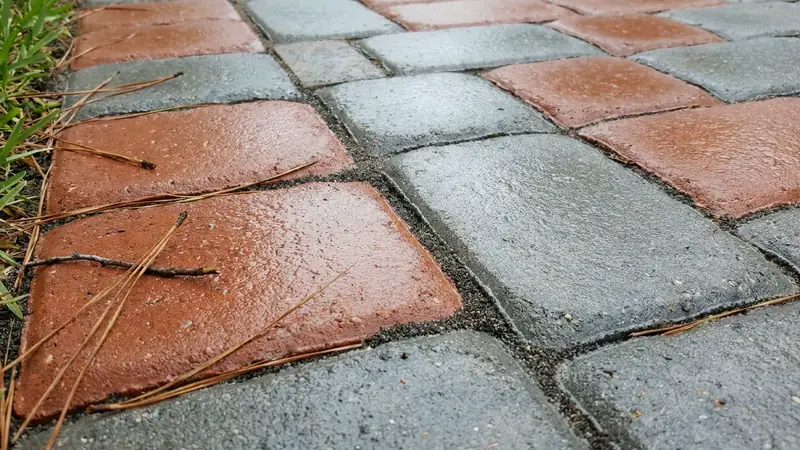
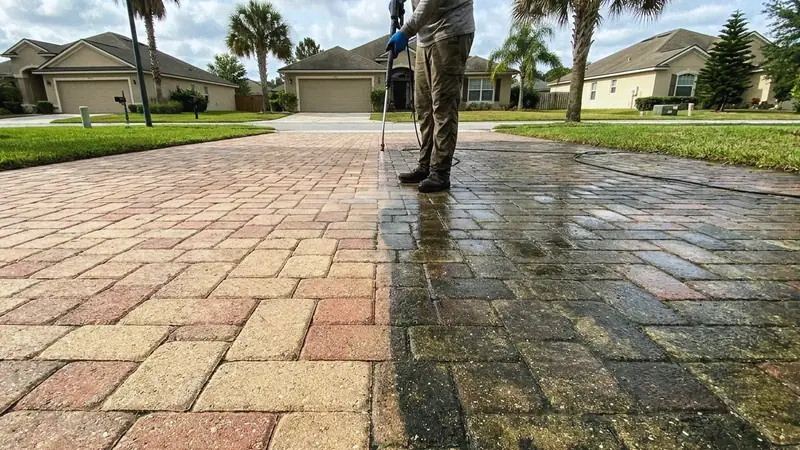
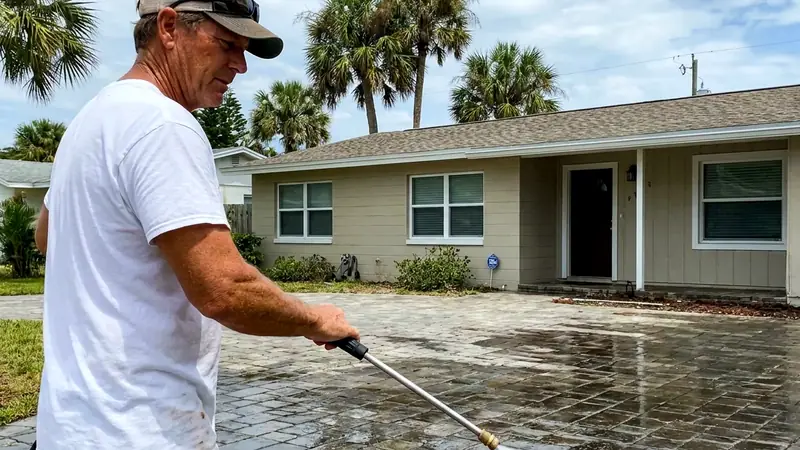
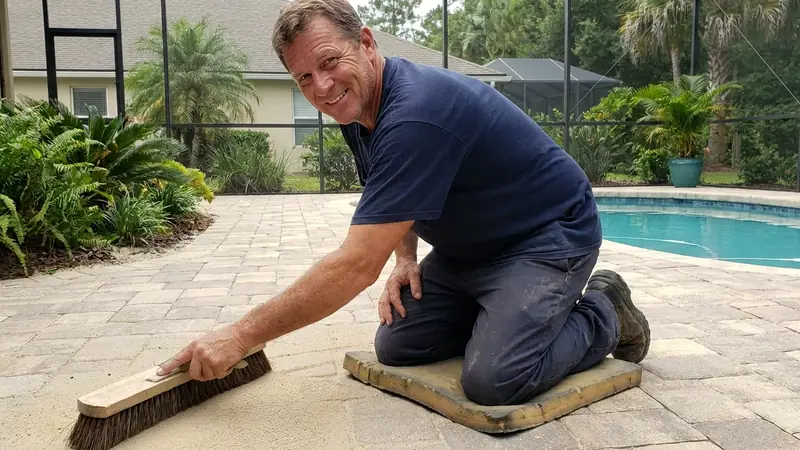
What do sealed pavers look like around Asbury Lake?
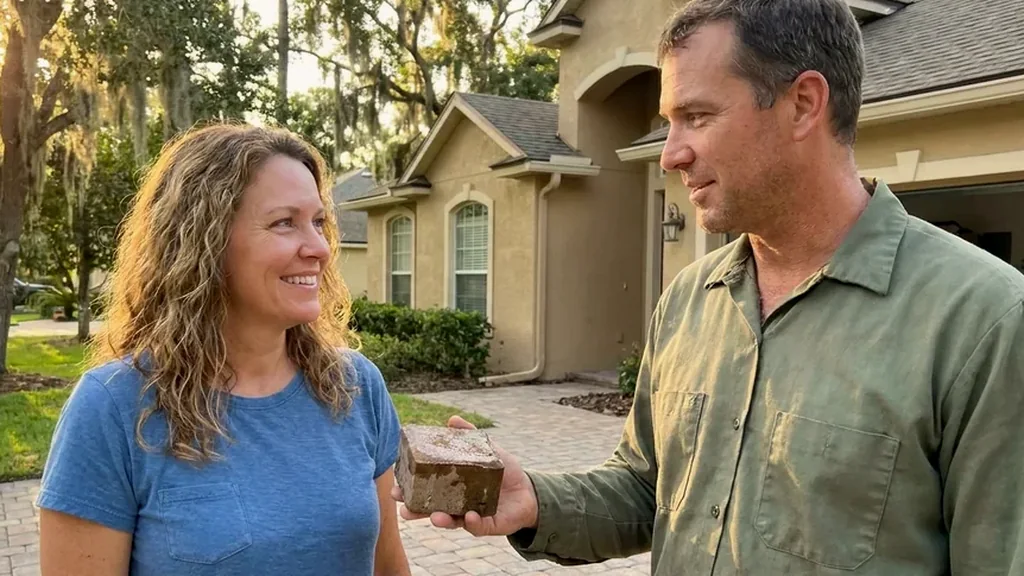
Why local matters in Asbury Lake
Someone who works Asbury Lake knows the ground under your driveway is deep sand. Water races through it and drags loose joint sand along, so a local crew refills joints more carefully than a visitor might. For a pro who works Clay County, call (386) 977-8354.
Rain matters here too. A lake, a creek and a long wet season decide when stones are truly dry. A neighbor-style contractor watches the sky and moves the date without fuss. To learn how a rainy week gets handled, ask for a free estimate.
Homes in this community range from the late 1960s to newer builds, so one street can hold a mix of paver ages. Someone who knows the area can guess what sits underneath before the first wash. To share your home's age, ask for a free estimate.
What is Asbury Lake like, and why does it matter for sealing?
Asbury Lake is a quiet residential community built around a small reservoir in Clay County, about 13 miles southwest of Orange Park. The population grew from 2,228 in 2000 to 11,036 in 2020. Black Creek, a blackwater stream, runs along its northern edge. If your driveway is one of the newer ones, ask for a free estimate.
Clay County's visitor guide mentions fishing, kayaking and canoeing on the lake, and Penney Farms sits just to the south along State Road 16. Green Cove Springs, the county seat, was established in 1854, and Orange Park dates to 1877. If your home is close to one of these spots, call (386) 977-8354 and share your street.
Frequently Asked Questions
How much does it cost to seal pavers in Asbury Lake?
Budget $1.75 to $3.25 per square foot for the wash, sand and sealer, the range Northeast Florida companies commonly publish. A failed coat or heavy growth lifts the cost. A long driveway adds up fast, so ask for the measured area.
What is the average price to seal pavers in Florida?
Published prices in this region run $1.75 to $3.25 per square foot. Size, dirt and any old coat decide where you land. A free look at your driveway turns the range into a real number, and a pool deck is measured separately.
How often should pavers be sealed in Florida?
Around Clay County, companies often quote two to five years between coats. Sun on an open lot wears a coat faster, and shade slows fading but grows moss. Splash water on a clean day: beading means the coat holds, and soaking in means it is time.
Is it better to spray or roll paver sealer?
A product maker suggests spraying first with a low-pressure sprayer and then following with a roller. The roller evens out the coat and pushes it into the joints. Used alone, either tool can go wrong, so ask which product goes on.
How long do paver sealers last in Asbury Lake?
Plan on two to five years, a span local companies often quote. Open lots with full sun sit near the short end. Peeling or patchy spots are a sign to call, and so is water that soaks in.
Can sealer go over my old coat?
Sometimes not, because water-based sealer will not bond to solvent-based. Homes here date from 1967 on, so the last owner's product may be a mystery. Old receipts help, and a pro can also test a small spot.
Do I need HOA approval to seal pavers in Asbury Lake?
Only if your home belongs to an association. In one profile only about 3 of 26 homes report an HOA, so many owners decide for themselves. Check your deed or covenants if you are unsure, and ask about sheen.
How soon should new pavers be sealed in Asbury Lake?
A paver company in Northeast Florida suggests holding off about 60 to 90 days on new pavers. During that time trapped moisture escapes and white mineral haze comes up to be cleaned off. Sealing earlier can trap water under the finish.
Ready for a Free Estimate in Asbury Lake?
Call (386) 977-8354 and tell us about your pavers.
Free, no obligation